
On the irresistible romance of antique shops, flea markets, estate sales, and finding something wonderful you never knew you wanted.
There is a particular kind of magic that happens when you walk into an antique shop with absolutely no intention of buying anything.
Perhaps the bell above the door gives a little ring. Perhaps the air smells faintly of old books and polished wood. Somewhere in the distance, a clock ticks with the confidence of something that has been keeping time for a hundred years.
You wander past a cabinet of porcelain figurines, a stack of forgotten postcards, and a velvet-lined tray filled with sparkling costume jewelry.
And then you see it.
Something entirely unexpected.
Something you couldn’t possibly have been looking for, because until this very moment, you didn’t know it existed.
Naturally, you must investigate.
Welcome to the wonderful world of the unexpected find.
The Beautiful Art of Looking
There are two kinds of shopping.
The first begins with a list.
You know what you need, where to find it, and approximately what you’re willing to spend. The experience is efficient, predictable, and generally very sensible.
The second begins with curiosity.
You have no particular destination in mind, no shopping list, and no idea what might be waiting around the next corner.
The second kind is considerably more interesting.
Antique shops, flea markets, and estate sales offer something increasingly rare in modern shopping: the possibility of genuine surprise.
Their inventories aren’t carefully coordinated around this season’s colors or the latest trends. A 1960s cocktail glass might sit beside an Edwardian photograph. A French perfume bottle might share a shelf with a souvenir ashtray from a long-demolished Las Vegas hotel.
There’s no algorithm anticipating your interests.
Just shelves, tables, boxes, and the occasional wonderfully eccentric object waiting to be noticed.
The Things That Make You Stop
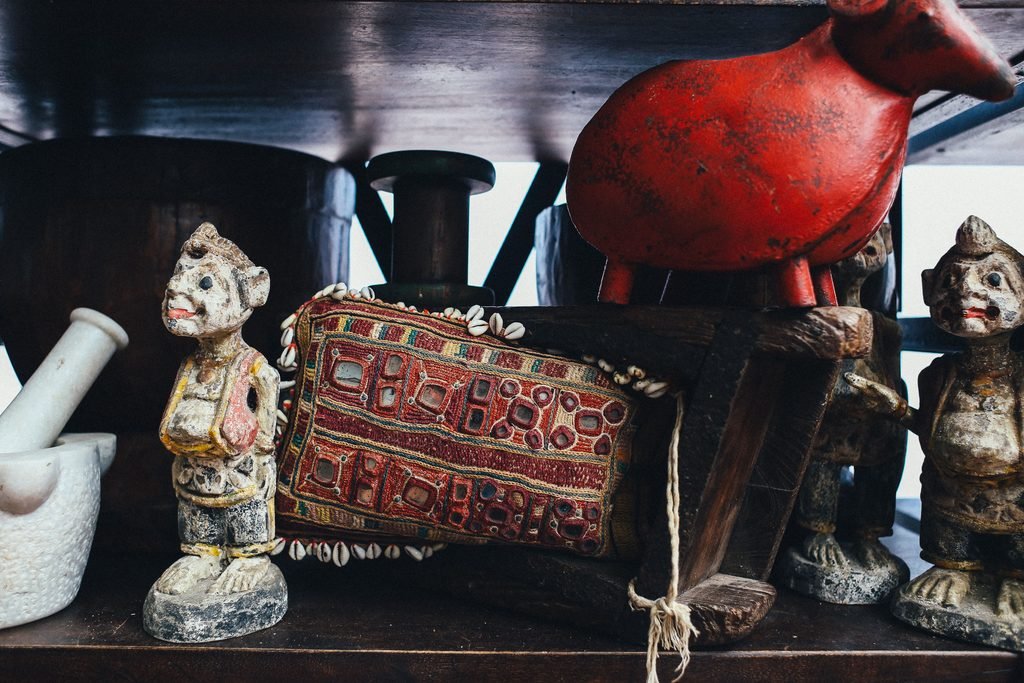
Sometimes a discovery is immediately recognizable.
A beautiful piece of vintage jewelry. An elegant silver serving tray. A midcentury lamp that would look magnificent in your living room.
Other times, it’s something completely inexplicable.
An unusual little ceramic animal. A souvenir from a town you’ve never visited. A peculiar piece of advertising that seems almost too strange to be real.
These are often the most memorable finds.
Not because they’re valuable, necessarily, but because they invite questions.
Who made this? Who bought it? What was it used for? And how on earth did it end up here?
An ordinary object becomes fascinating when it inspires you to look a little closer.
The real thrill isn’t always finding something beautiful.
Sometimes it’s discovering something with personality.
A Saturday Morning at the Flea Market
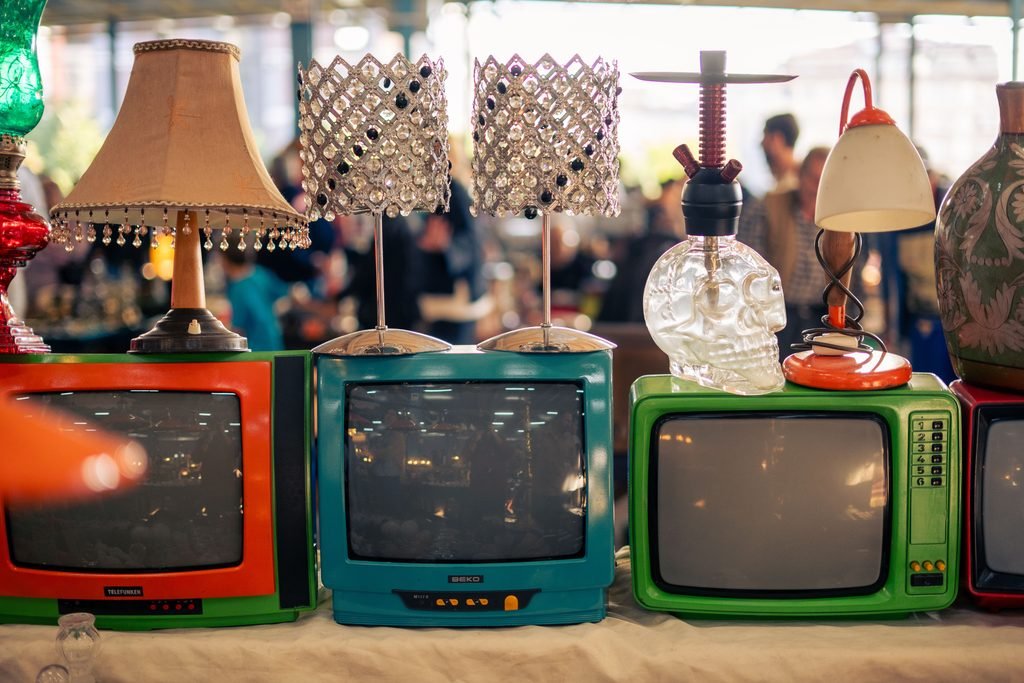
There is nothing quite like a flea market in the early morning.
Tables are still being arranged. Dealers unwrap their merchandise. Coffee cups balance precariously beside boxes of china and old photographs.
The devoted shoppers arrive early, convinced that somewhere among the folding tables and crowded stalls is the treasure everyone else will overlook.
And sometimes they’re right.
Flea markets reward the observant.
A beautifully made brooch might be hiding beneath a tangle of necklaces. A desirable vintage book might be tucked between ordinary paperbacks. An exquisite little dish might be sitting at the bottom of a box marked Miscellaneous.
But there’s another pleasure to the experience.
The conversations.
Ask a dealer about an unusual object, and you might receive a fascinating history, a surprising explanation, or an enthusiastic account of how it was discovered.
The people are often every bit as interesting as the merchandise.
The Estate Sale Time Capsule
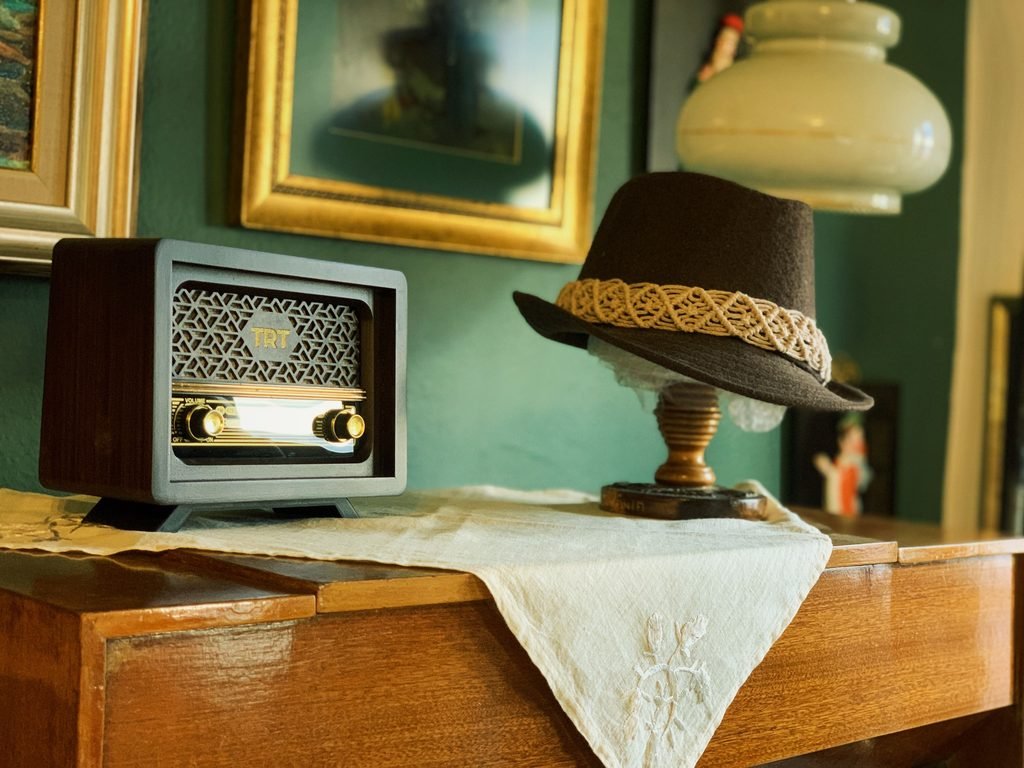
Walking into an estate sale can feel like stepping into somebody else’s autobiography.
The rooms reveal decades of collected possessions.
Books on the shelves. Dinnerware in the cupboards. Holiday decorations in carefully labeled boxes. Perhaps a collection of souvenir spoons from vacations taken long ago.
Unlike an antique shop, where merchandise has been selected and arranged for resale, an estate sale often preserves little glimpses of how a household actually lived.
There is something intimate about that experience, and it deserves a certain thoughtfulness.
These were someone’s belongings, after all.
Yet there’s also something beautiful about giving a well-loved object another chapter.
A vintage vase finds a new windowsill.
A forgotten cocktail set becomes the centerpiece of somebody else’s dinner party.
A small painting, overlooked for years, suddenly becomes the favorite thing in a new home.
Sometimes the best form of preservation is simply allowing something to be loved again.
The Secret to Finding Something Wonderful
Seasoned treasure hunters tend to develop a few habits.
They look beneath tables. They open boxes. They inspect the backs of picture frames and the undersides of pottery.
They examine condition carefully, because a beautiful object is considerably less appealing when its flaws are expensive or impossible to repair.
They learn to recognize quality without assuming every old-looking object is genuinely old.
And perhaps most importantly, they understand that a bargain isn’t automatically a good purchase.
There is no great victory in buying something simply because it happens to be inexpensive.
The most satisfying discoveries are the ones that feel personal.
An object that makes you smile. A piece that suits your home. Something you know you’ll still enjoy long after the excitement of finding it has passed.
Sometimes that costs five dollars.
Sometimes it costs considerably more.
The real value lies in knowing the difference between something you merely found and something you truly love.
The One That Got Away
Every treasure hunter has a story about the thing they didn’t buy.
A spectacular lamp that seemed too difficult to carry home.
A vintage coat that was almost the right size.
A piece of jewelry that felt a little extravagant at the time.
You walk away, telling yourself you’ll think about it.
And then, inevitably, you spend the next several days thinking about absolutely nothing else.
When you return, it’s gone.
This is one of the great dramas of secondhand shopping.
Unlike a department store, where another identical item might be waiting in the stockroom, the unexpected find often comes with no guarantee of a second chance.
Of course, that doesn’t mean every charming object should be purchased immediately.
A little restraint remains an excellent quality.
But it does explain why treasure hunters occasionally develop an unusually affectionate relationship with the phrase I should have bought it.
The Extraordinary in the Ordinary
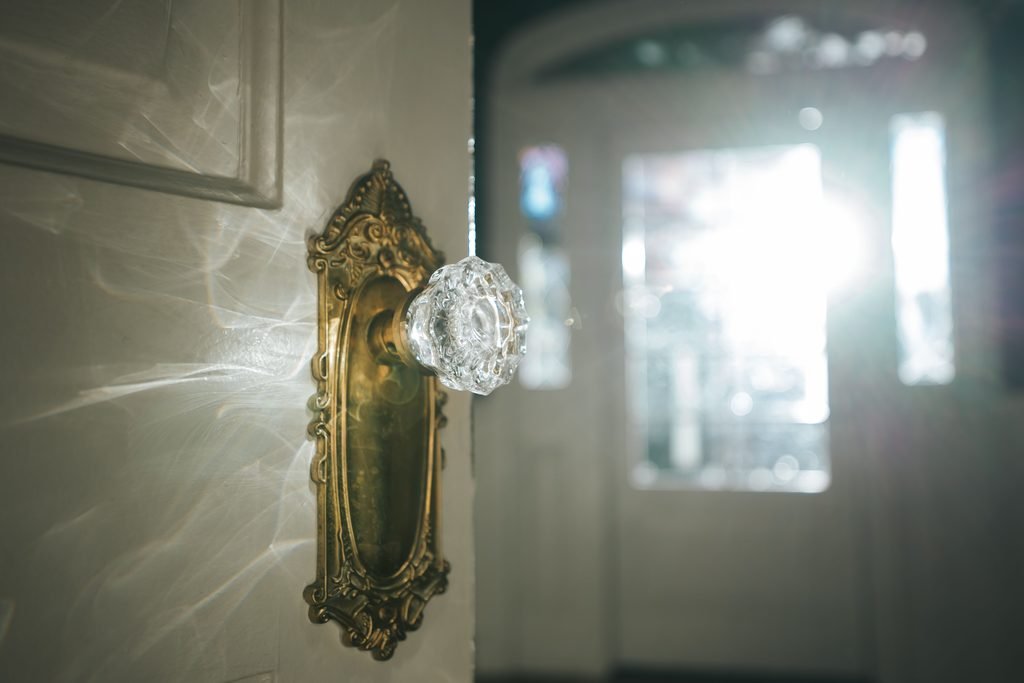
Perhaps the most wonderful thing about secondhand treasure hunting is the way it changes your perspective.
You begin noticing details.
The craftsmanship of an old picture frame. The typography on a forgotten advertisement. The lovely weight of vintage glassware. The unexpected beauty of something that was never considered particularly important.
You become less interested in whether an object is fashionable and more interested in whether it has character.
And gradually, the world begins to look a little different.
A roadside antique store becomes an invitation.
A handwritten estate-sale sign becomes a possibility.
A dusty little shop you might once have passed without noticing becomes the highlight of an afternoon.
Because the real pleasure of the unexpected find isn’t simply bringing something home.
It’s the experience of discovering it.
The wandering. The wondering. The moment of recognition.
That delightful little feeling that somewhere, somehow, something wonderful has been waiting just for you.
And isn’t that reason enough to take a look?
For the curious, the collectors, and everyone who knows that the best things are sometimes found by accident.
Sunshine Confidential