
From beautifully illustrated chocolate tins to neighborhood soda fountains, a love letter to the little pleasures that once made ordinary life feel extraordinary.
There was a time when even a box of chocolates could be a work of art.
Before minimalist packaging and endless identical storefronts, everyday life was filled with wonderful little details. A brightly illustrated biscuit tin. A handwritten recipe tucked inside a kitchen drawer. A department-store window so extravagantly decorated that people stopped just to admire it.
None of these things was particularly extraordinary at the time.
That might be precisely what makes them so extraordinary now.
Somewhere along the way, we’ve lost a few of the small, unnecessary pleasures that made the everyday feel special.
And wouldn’t it be lovely to bring some of them back?
When Packaging Had Personality
Consider the humble chocolate tin.
Once upon a time, a manufacturer might decorate an ordinary container with elaborate illustrations, embossed lettering, extravagant flourishes, and enough color to rival a theater poster.
A tin of cocoa wasn’t simply a tin of cocoa. It was an opportunity to be beautiful.
Some packaging featured rosy-cheeked children, glamorous women, exotic landscapes, or fanciful scenes that had very little to do with what was actually inside.
And when the chocolates were gone, the tin often stayed.
It might become a sewing box, a button collection, or the mysterious container on Grandmother’s kitchen shelf that everyone knew held absolutely anything except its original contents.
Today, surviving examples are collected for their typography, illustrations, and irresistible visual charm.
Perhaps the most delightful part is that something designed to sell an everyday product became a little piece of decorative history.
A reminder that practical things can be beautiful, too.
The Neighborhood Soda Fountain
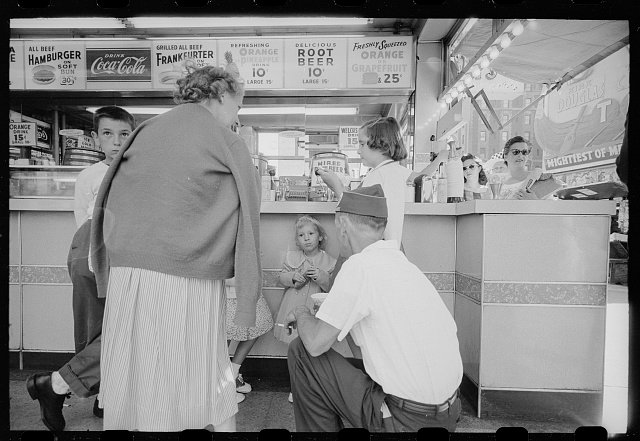
Imagine a Saturday afternoon at a neighborhood soda fountain.
A polished counter. Spinning stools. A row of syrup bottles. The unmistakable sound of a milkshake being made.
Someone orders a chocolate malt. Someone else wants a cherry phosphate. The person behind the counter seems to know everybody’s name.
For generations, soda fountains served as informal neighborhood gathering places, particularly in American drugstores and luncheonettes.
They were places to linger, gossip, flirt, celebrate, and occasionally avoid going home.
There was a certain ceremony to the experience.
The tall glass. The paper straw. The whipped cream. The little dish of something sweet placed on the counter with surprising importance.
We still have ice cream shops, of course.
But there’s something especially appealing about a place where ordering a soda could become an afternoon’s entertainment.
The Lost Art of Window Shopping
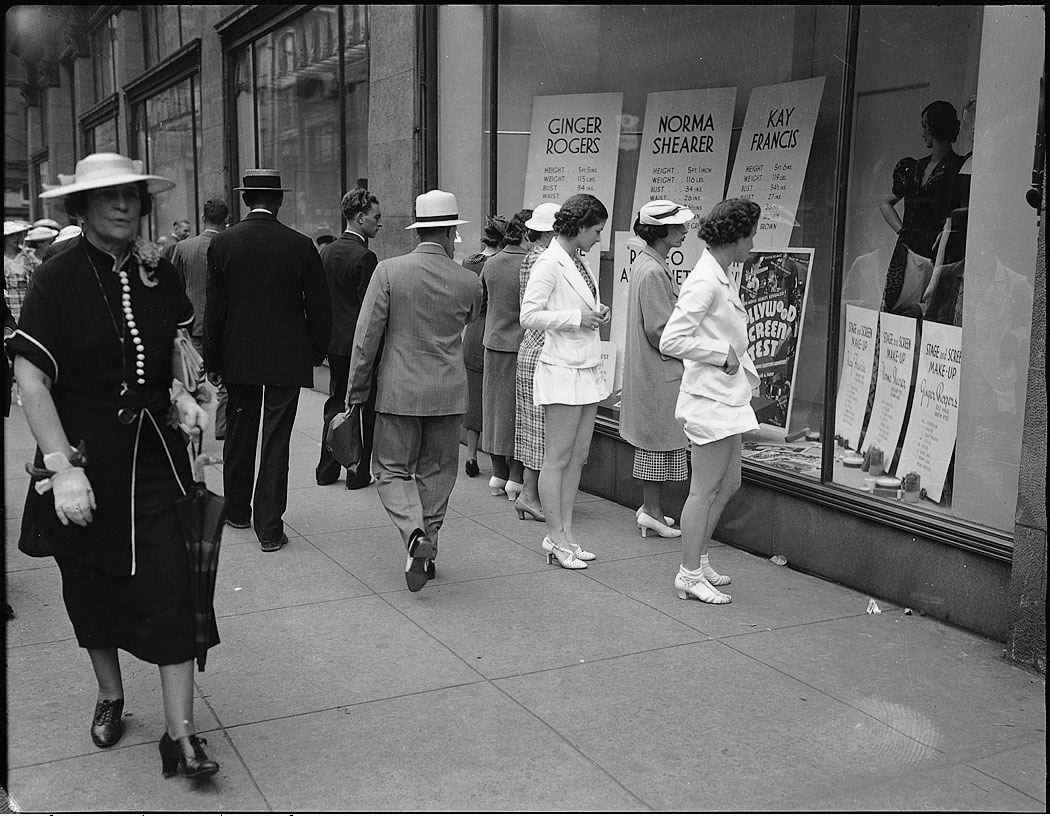
Before online shopping made virtually everything available from a sofa, there was another kind of browsing.
Window shopping.
Not necessarily buying anything. Just looking.
Department stores once devoted extraordinary attention to their window displays, especially during holidays and seasonal celebrations.
Elaborate scenes featured fashionable mannequins, miniature villages, glittering decorations, moving figures, and beautifully arranged merchandise.
The windows were miniature stages.
Some were glamorous. Others were whimsical. The best were so imaginative that they made even the least interested passerby stop.
And that was part of the pleasure.
You didn’t need a shopping bag or a credit card to enjoy them.
You simply needed a little time and a willingness to be delighted.
Recipes Written by Hand
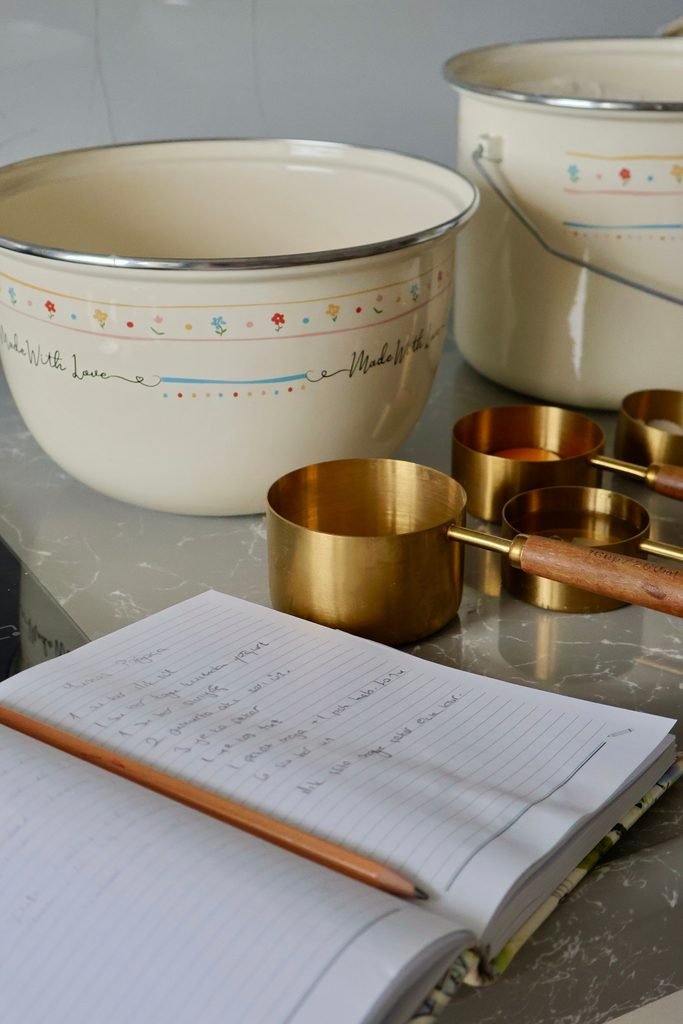
Some of the most beautiful documents in existence were never intended to be beautiful at all.
They’re the handwritten recipes passed between friends and family members.
A faded index card for lemon cake. A carefully written recipe for Sunday pot roast. A note in the margin reminding the cook to add more vanilla than the instructions suggest.
These little scraps of paper carry something that a perfectly formatted digital recipe cannot quite reproduce.
Personality.
Perhaps the handwriting leans dramatically to the right. Perhaps a splash of batter left its mark decades ago. Perhaps the recipe contains a mysterious instruction like bake until it looks right.
And somehow, despite the ambiguity, everyone in the family knows exactly what that means.
A handwritten recipe preserves more than ingredients.
It captures a person in the middle of an ordinary, loving act: making something for someone else.
When Getting Dressed Was an Occasion
There was a time when certain outings came with their own wardrobe expectations.
An afternoon luncheon might call for a hat. A dinner reservation could justify a favorite pair of gloves. A trip to the theater presented an excellent excuse to wear the jewelry that spent most of its life inside a velvet box.
Of course, not everyone had the means or freedom to participate in these rituals, and the past was hardly as glamorous for everyone as old advertisements suggest.
But there’s something delightful about the idea of dressing for an occasion simply because it feels good to do so.
We don’t need to resurrect every rule of another era.
Perhaps just the fun ones.
Wear the beautiful brooch. Set the table with the good dishes. Put on the lipstick for an ordinary Tuesday.
An occasion doesn’t always need to announce itself.
Sometimes we get to invent one.
The Pleasure of Things That Last
Not everything was better in the past.
Modern life has brought extraordinary conveniences, opportunities, and freedoms that previous generations could scarcely have imagined.
And yet, there’s value in looking back at the things we’ve gradually stopped noticing.
The beauty of a well-designed label.
The pleasure of a thoughtfully arranged storefront.
The charm of a handwritten note.
The simple luxury of spending an afternoon somewhere without feeling the need to rush.
Perhaps nostalgia isn’t always about wanting to live in another time.
Sometimes it’s about recognizing an idea worth borrowing.
A little more beauty in the everyday. A little more ceremony in the ordinary. A little less hurry.
After all, the best things from the past don’t necessarily belong there.
Some are simply waiting to be rediscovered.
For the curious, the sentimental, and anyone who believes ordinary life deserves a little glamour.
Sunshine Confidential